Application Value of Glow-in-the-Dark Masterbatch in Plastic Products
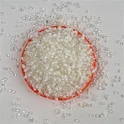
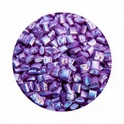
Glow-in-the-dark masterbatch is a functional masterbatch produced by pre-mixing and pelletizing a high concentration of luminescent powder with a plastic carrier. It can be understood as a "highly concentrated luminous additive." Plastic manufacturers only need to blend it with ordinary plastic resins to directly produce various glow-in-the-dark products.
By solving production challenges, improving product performance, and creating unique value, glow-in-the-Luminous Masterbatch brings comprehensive upgrades to plastic products-from the manufacturing end to the consumer end.

I. Value to Manufacturers: Solving Production Pain Points and Improving Efficiency and Quality
For plastic processing companies, the most direct value of glow-in-the-dark masterbatch is making the addition of luminescent functionality simple, controllable, and cost-effective.
Ease of production:
Difficult-to-handle powders are pre-made into pellets with good compatibility with resins. This eliminates dust pollution and improves the workshop environment. With good flowability, it can be fed directly without changing existing injection molding or extrusion processes.
Quality stability:
Through pre-dispersion technology, the luminescent powder is evenly distributed in the carrier. This avoids defects such as uneven brightness, black spots, and color differences, resulting in high yield rates and consistent performance.
Formulation flexibility:
Masterbatches are available in different concentrations (e.g., 40%–70%) and carriers (PP/PE/ABS, etc.). Manufacturers can flexibly select and dilute according to brightness requirements and base resin types, enabling customized production.
Process protection:
The masterbatch encapsulates and protects the luminescent powder, reducing damage caused by high temperatures and screw shear during processing, thereby maintaining optimal luminous performance.
II. Value to End Products: Adding Core Functions and Creating Market Selling Points
This is where the value is most directly reflected. The glow-in-the-dark function transforms plastic products from "ordinary" to "special."
Safety and emergency value (rigid demand):
Passive indication: Provides continuous visual guidance without power in emergencies such as power outages or fires-this is its most essential and highest-value application.
Applications: Fire evacuation signs, escape route markings, safety door handles, interior safety markings in transportation vehicles, etc.
Aesthetic and decorative value (value-added demand):
Visual appeal: Produces a soft, mysterious glow in dark environments, greatly enhancing visual attraction as well as a sense of technology and fantasy.
Applications: Glowing toys, handicrafts, fashion accessories, home décor items, nighttime sports equipment, etc.
Functional and identification value (practical demand):
Human–machine interaction: Helps users quickly identify and operate products in low-light conditions.
Applications: Appliance switches, instrument panel pointers, outdoor tool handles, nighttime pet products, etc.

III. Value to Consumers and Brands: Emotional and Social Value Beyond Functionality
Emotional experience:
Brings novelty, reassurance, or enjoyment to consumers, enhancing product memorability and user affinity.
Brand differentiation:
Helps brands create distinctive "glow-in-the-dark series" products, stand out in intense market competition, and establish an image focused on safety, creativity, or technology.
Environmental friendliness and safety:
Modern rare-earth long-lasting luminescent materials are non-toxic and non-radioactive, compliant with RoHS and other environmental standards, making products safer and easier to promote.
The value chain of glow-in-the-dark masterbatch forms a complete closed loop-from technical advantages (stability and easy processing), to production advantages (cost reduction, efficiency improvement, and quality control), from product advantages (safety, aesthetics, and functionality), to market advantages (differentiation, high added value, and brand enhancement). Ultimately, it transforms a special functional material into a reliable, efficient, and highly creative standardized solution in the plastic processing industry.