1. General plastics
Generally refers to plastics with large output, wide application, good formability and low price. There are five major varieties of general plastics, namely polyethylene (PE), polypropylene (PP), polyvinyl chloride (PTFE), polystyrene (PS) and ABS. They are all thermoplastics.
2. Engineering plastics
Generally refers to plastics that can withstand a certain external force, have good mechanical properties and high and low temperature resistance, good dimensional stability, and can be used as engineering structures, such as polyamide, polysammonium, etc. Engineering plastics are divided into two categories: general engineering plastics and special engineering plastics.
General engineering plastics include: polyamide, polyoxymethylene, polycarbonate, modified polyphenylene ether, thermoplastic polyester, ultra-high molecular weight polyethylene, methylpentene polymer, vinyl alcohol copolymer, etc. Special engineering plastics are divided into cross-linked and non-cross-linked types. The cross-linked types include: polyaminobismaleamide, polytriazine, cross-linked polyimide, heat-resistant epoxy resin, etc. Non-cross-linked types include: polysulfone, polyether sulfide, polyphenylene sulfide, polyimide, polyether ether ketone (PEEK), etc.
3. Special materials
Generally refers to plastics with special functions that can be used in special application fields such as aviation and aerospace. For example, fluoroplastics and silicones have outstanding special functions such as high temperature resistance and self-lubrication, and reinforced plastics and foam plastics have special properties such as high strength and high cushioning. These plastics all belong to the category of special plastics. They are divided into strong plastics and foam plastics.
2. Classification by physical and chemical properties
Based on the different physical and chemical properties of various plastics, plastics can be divided into two types: thermosetting plastics and thermoplastic plastics.
1. Thermoplastic plastics
Thermoplastic plastics refer to plastics that can be repeatedly heated to soften and cooled to harden within a specific temperature range, such as polyethylene, polytetrafluoroethylene, etc. Thermoplastic plastics are divided into vertical types, vinyl types with polar genes, engineering types, cellulose types, etc. Thermoplastic plastics have excellent electrical insulation properties, especially polytetrafluoroethylene (PTFE), polystyrene (PS). Polyethylene (PE) and polypropylene (PP) all have extremely low dielectric constants and dielectric losses, and are suitable for high-frequency and high-voltage insulation materials.
Formaldehyde cross-linked plastics include phenolic plastics and amino plastics (such as urea-formaldehyde-melamine-formaldehyde, etc.). Other cross-linked plastics include unsaturated polyesters, epoxy resins, and diallyl phthalate resins.
2. Thermosetting plastics
Thermosetting plastics refer to plastics that can solidify or have insoluble (melting) properties under heat or other conditions, such as phenolic plastics, epoxy plastics, etc. Thermosetting plastics are divided into two types: formaldehyde cross-linked type and other cross-linked types.
Typical thermosetting plastics include phenolic, epoxy, amino, unsaturated polyester, furan, polysilicone and other materials, as well as newer polypropylene phthalate plastics.
Some plastics are both thermoplastic and thermosetting plastics. For example, polyvinyl chloride is generally a thermoplastic plastic.
① Vertical plastics. They are non-polar plastics, which are divided into crystalline and non-crystalline. Crystalline vertical plastics include polyethylene, polypropylene, etc., and non-crystalline vertical plastics include polystyrene, etc.
② Vinyl plastics containing polar genes. Except for fluoroplastics, most of them are non-crystalline transparent bodies, including polyvinyl chloride, polytetrafluoroethylene, polyvinyl acetate, etc. Most vinyl monomers can be polymerized using free radical catalysts.
③Thermoplastic engineering plastics. Mainly including polyoxymethylene, polyamide, polycarbonate, ABS, polyphenylene ether, polyethylene terephthalate, polyether sulfone, polyimide, polyphenylene sulfide, etc. Polytetrafluoroethylene. Modified polypropylene, etc. are also included in this range.
④ Thermoplastic cellulose plastics. Mainly including cellulose acetate, cellulose acetate butyrate, celluloid, cellophane, etc.
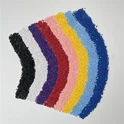
When we make color masterbatch , we need to know what material the clients use and make the material as carrier to produce color masterbatch. it is very important information.