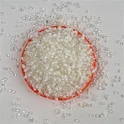
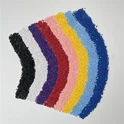
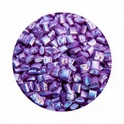
The key differences between PP sheet masterbatches and standard PP masterbatches lie primarily in carrier selection, functional design, and performance compatibility. The following is a detailed comparison and analysis:
1. Carrier and Compatibility - PP sheet masterbatches: Utilizing PP or PP/LLDPE composite resin as the carrier, they ensure a close match between the melt temperature and shrinkage of the PP sheet base material. This consistency prevents surface irregularities, streaks, or uneven gloss caused by shrinkage differences, and is particularly crucial for sheet materials requiring high gloss and flatness, such as cosmetic packaging and food packaging. - Standard PP masterbatches: These typically utilize PE or EVA carriers (which are lower cost), resulting in a significant difference in shrinkage compared to PP. Application to sheet materials can easily lead to surface warping, matte finishes, or waviness, making them suitable only for standard injection molded parts with less demanding surface finishes.
II. Optical Properties (Jinness and Hue) - PP Sheet Masterbatch: - High Blackness: Utilizes imported high-pigment carbon black (such as Cabot), achieving an L value of 23–24 (the lower the value, the darker), approaching a piano black finish; - Blue Shade: Adds a blue-shade colorant for a deeper, more luxurious appearance, superior to standard yellowish black. - Standard PP Masterbatch: With an L value of approximately 27, this lacks blackness and often exhibits a grayish-yellow hue, failing to meet the aesthetic requirements of high-end sheet materials.
III. Functionality and Environmental Protection Sheet-Specific Masterbatch: - Migration/Weather Resistance: UV-resistant additives achieve a sunfastness rating of 7+, preventing fading (e.g., for outdoor products); - Food-Grade Certification: Complies with FDA, ROHS, and GB9688 standards, suitable for food packaging and nonwoven fabrics for face masks. - Standard Masterbatch: Contains fewer functional additives, has a limited environmental rating, and is primarily used for industrial applications.
IV. Cost and Usage PP sheet masterbatches: While relatively expensive, they offer excellent dispersibility and strong tinting strength, requiring only 1%–2% addition to achieve high blackness. - Standard masterbatches: While relatively expensive, they require a 3%–4% addition to achieve medium blackness, potentially exceeding the overall cost of specialized masterbatches.
V. Selection Recommendations - Applications for sheet masterbatches: High-gloss surface requirements (e.g., appliance panels, jewelry boxes); Ultra-thin sheets (<0.5mm) requiring extreme dispersibility; Food contact or outdoor weathering requirements. - Standard masterbatches: Applications for low-end packaging bags, filling masterbatches, and other applications where surface and blackness are not critical. Technical Summary: PP sheet masterbatches utilize a combination of a specialized carrier, a high-pigment formula, and functional additives to address shrinkage mismatch, insufficient blackness, and surface defects often encountered with standard masterbatches in sheet processing. For those seeking high quality and efficiency, sheet masterbatches offer significantly better overall cost-performance.