1. Plastic industry
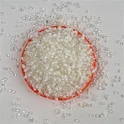
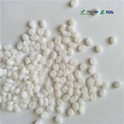
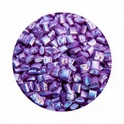
Masterbatch is widely used in the plastics industry, and almost all plastic products require masterbatch for coloring. Masterbatch can not only provide a variety of color choices, but also control the brightness, transparency, saturation and other characteristics of the color, making plastic products more in line with market demand. As the market for plastic products continues to expand, the demand for masterbatch is also increasing. In the future, the masterbatch industry will show an even more prosperous development trend.
2. Textile industry
The application of masterbatch in the textile industry is mainly for fiber dyeing. Compared with traditional dyes, masterbatch has the advantages of bright color, good stability, and strong light resistance, and can effectively improve the color fastness and durability of textiles. Masterbatch causes relatively little environmental pollution and meets the green and environmental requirements of the modern textile industry. With the increase in people's personalized demand for textiles and the improvement of environmental awareness, the application prospects of masterbatch in the textile industry will be broader.
3. Paint industry
Masterbatch is increasingly used in the coatings industry. Traditional pigments are prone to problems such as flying and deposition during the coating manufacturing process. Masterbatch can effectively solve these problems, which not only improves the pigment utilization, but also makes the color stability and color effect of the coating more ideal. The use of masterbatch can also improve the processing performance and anti-corrosion performance of coatings, meeting people's demand for continuous improvement of coating quality.
4. Ink industry
The application of masterbatch in the ink industry is mainly used for coloring printing paper, packaging materials, plastic films and other products. Compared with traditional ink pigments, masterbatch has better color stability and can maintain consistent color effects under different printing conditions. Masterbatch can also effectively improve the color expression and adhesion of ink, giving printed matter higher color saturation and three-dimensionality. With the rapid development of the packaging industry and the continuous pursuit of printing quality, the market demand for masterbatch in the ink industry will continue to increase.