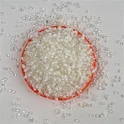
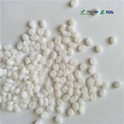
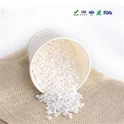
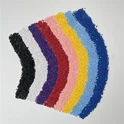
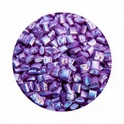
Plastic color masterbatch and recycled plastic pellets are two common materials in plastic processing, with significant differences in purpose, composition, and production methods.
1. Definition & Purpose"
- "Color Masterbatch"
A high-concentration coloring agent in pellet form, composed of pigments (or dyes), carrier resin, and dispersants. It is used to color plastic products by mixing with base resin in a specific ratio, ensuring uniform coloration while avoiding issues like pollution and uneven dispersion from using raw powdered pigments.
- "Recycled Plastic Pellets (Recycled Granules)"
Made from waste plastics (e.g., scrap, trimmings) through processes like cleaning, melting, filtering, and pelletizing. The goal is to reuse plastic waste, reducing costs, though the performance is usually inferior to virgin resin.
2. Composition Differences"
- "Color Masterbatch"
- "Main components": High pigment content (20%–50%), carrier resin (e.g., PE, PP), and dispersants/additives.
- "Function": Provides color only, without altering the mechanical properties of the base plastic.
- "Recycled Plastic Pellets"
- "Composition": 100% recycled plastic (e.g., PET, HDPE), possibly containing minor impurities or degraded material.
- "Function": Used directly as raw material for manufacturing, but may require blending with virgin resin or additives to meet performance standards.
3. Production Process"
- "Color Masterbatch":
Mixing pigment + carrier resin → kneading/extrusion → pelletizing (requires high dispersion to prevent color inconsistency).
- "Recycled Plastic Pellets":
Sorting waste plastic → crushing → washing → melting/filtration → extrusion pelletizing (key steps involve removing impurities and degraded material).
4. Applications"
- "Color Masterbatch":
Widely used in injection molding, blow molding, fibers, and other plastic products requiring color, such as toys, packaging films, and appliance housings.
- "Recycled Plastic Pellets":
Used in low-performance applications (e.g., cheap daily goods, construction materials like pallets or pipe fillers) or blended with virgin resin to reduce costs.
5. Key Comparison"
| Feature | Color Masterbatch | Recycled Plastic Pellets |
| Primary Purpose | Coloring | Reusing plastic waste |
| Composition | Pigment + carrier resin + additives | Pure recycled plastic (may contain impurities) | |
| Usage Ratio | Small dosage (1%–5%) | Used as main raw material |
| Performance Impact | Affects only color | May reduce mechanical/weather resistance |
Important Notes"
- "Color masterbatch selection" must match the base resin type (e.g., PP masterbatch for PP products) to avoid compatibility issues.
- "Recycled pellet quality" depends on the purity and degradation level of the source material-multiple recycling further reduces performance.
In short, "color masterbatch is "plastic dye," while recycled pellets are "reprocessed plastic raw material""-they serve entirely different roles in the supply chain.
---
This version maintains technical accuracy while ensuring clarity for an English-speaking audience. Let me know if you'd like any refinements!