Common Questions About Color Masterbatch
Color masterbatch plays a critical role in plastic manufacturing, especially in injection molding, extrusion, and film applications. For many manufacturers, challenges related to color consistency, dispersion, and processing stability still arise. The following answers address the most common questions buyers and engineers ask when selecting and using color masterbatch.
What is color masterbatch?
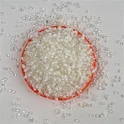
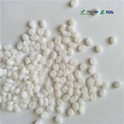
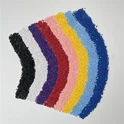
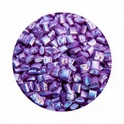
Color masterbatch is a concentrated blend of pigments or dyes dispersed in a polymer carrier resin. It is used to color plastic products while ensuring cleaner handling, more consistent color output, and better process stability compared to powder pigments.
Which polymers can color masterbatch be used with?
Color masterbatch can be formulated for most thermoplastics, including PE, PP, ABS, PS, PVC, PET, TPU, and engineering plastics. Matching the carrier resin to the base polymer is essential for proper dispersion and consistent appearance.
What is the recommended dosage for color masterbatch?
Typical addition rates range from one to five percent. The exact dosage depends on pigment concentration, color depth requirements, and the final appearance specifications of the product.
What causes uneven color or streaking?
Uneven coloration is usually the result of poor dispersion, insufficient mixing or shear, incompatibility between the masterbatch and the base resin, or incorrect processing temperatures.
Does color masterbatch affect mechanical properties?
When produced correctly and used at appropriate loading levels, high-quality color masterbatch has minimal impact on mechanical properties. Lower-quality products may negatively affect strength, flexibility, or impact resistance.
Is batch-to-batch color consistency guaranteed?
Reliable manufacturers control color variation through standardized formulations, controlled production processes, and strict quality testing. Minor variations may occur but are generally kept within industry-accepted tolerances.
Is color masterbatch suitable for food-contact applications?
Yes, color masterbatch can be used in food-contact applications when manufactured with compliant raw materials and tested according to relevant regulations and standards.
Will color masterbatch perform well at high processing temperatures?
Color performance at elevated temperatures depends on the thermal stability of the pigments. Heat-resistant pigments are required for high-temperature processing and engineering plastic applications.
What are best practices for storage and handling?
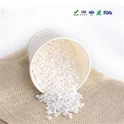
Color masterbatch should be stored in sealed packaging in a dry, cool environment, protected from moisture and direct sunlight to maintain consistent performance.
How should buyers evaluate a color masterbatch supplier?
Key evaluation criteria include technical expertise, consistency of quality, color matching capability, application support, and the ability to provide customized solutions based on specific processing requirements.
Final Thoughts
Color masterbatch may represent a small percentage of the formulation, but it has a significant impact on product appearance, processing efficiency, and overall market perception. A clear understanding of these common questions helps manufacturers make informed decisions and achieve reliable, high-quality results.